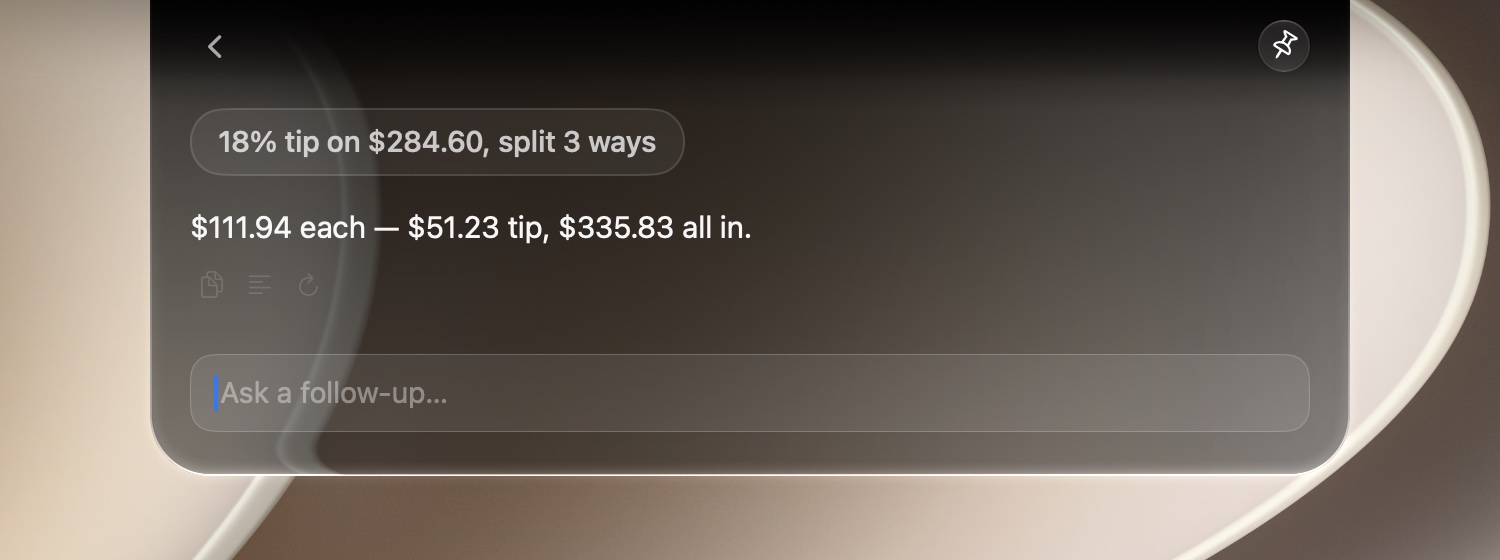
Notchi is a beautifully simple way to save a note, set a reminder, ask AI, or run a coding agent — right from your Mac's notch.
$ brew install --cask cyrus-cai/lofi-lab/notchi
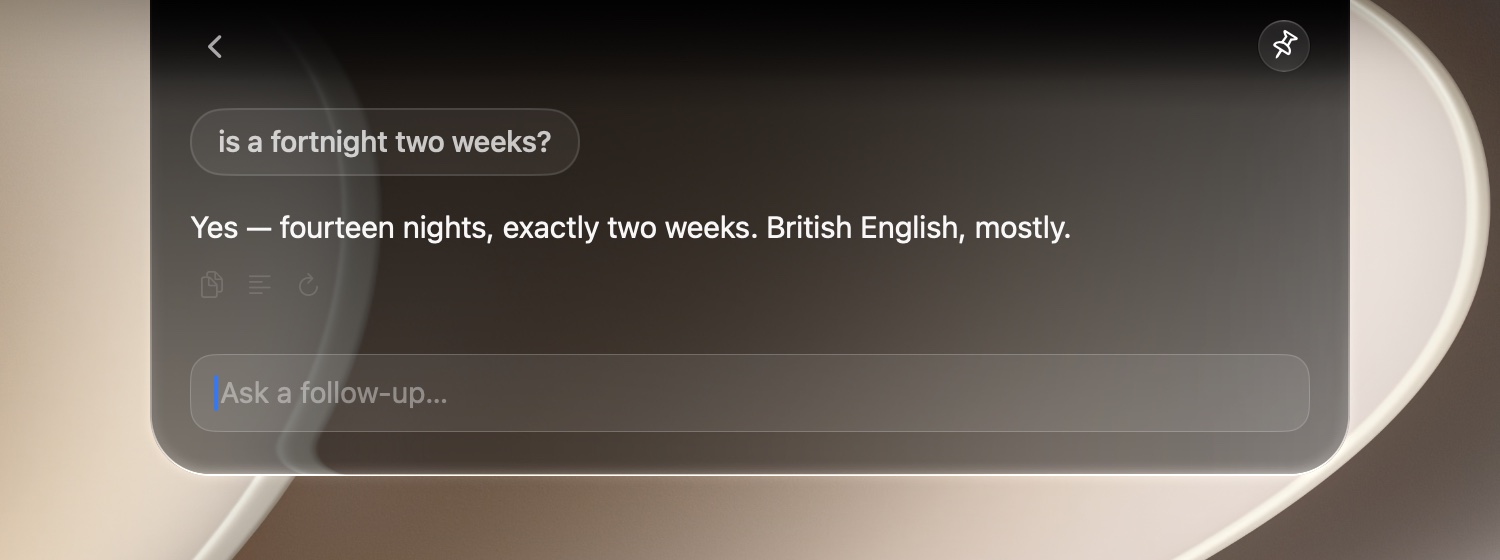
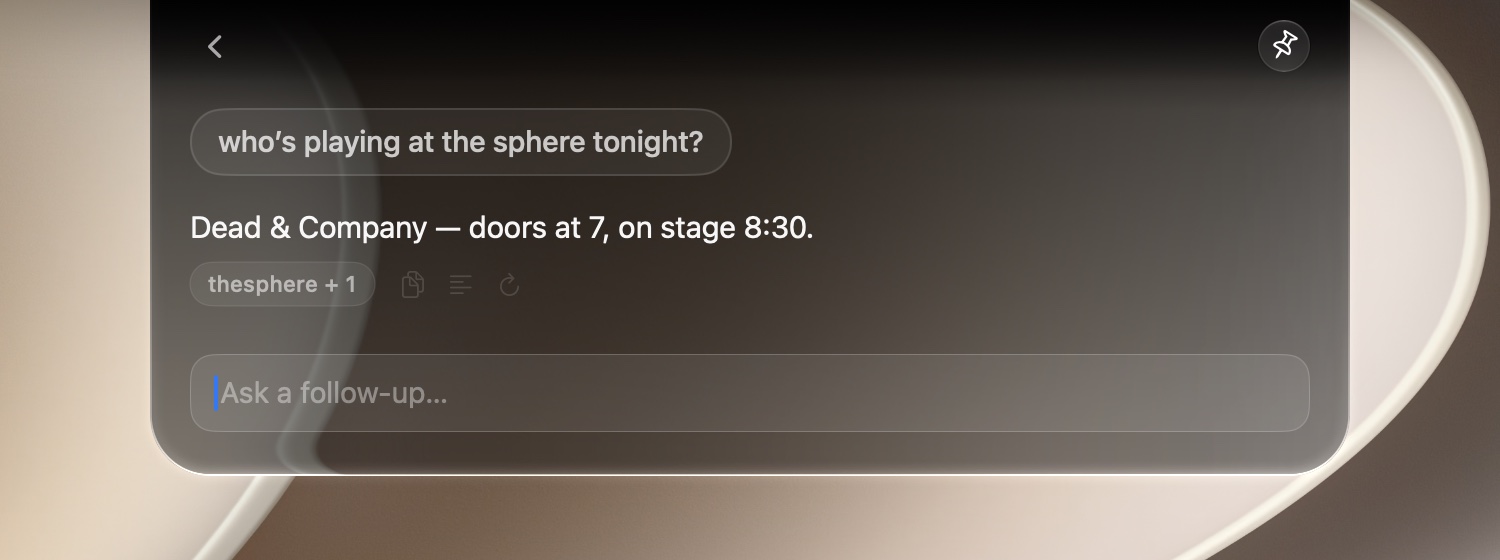
Type into the notch — answers use your own provider key.
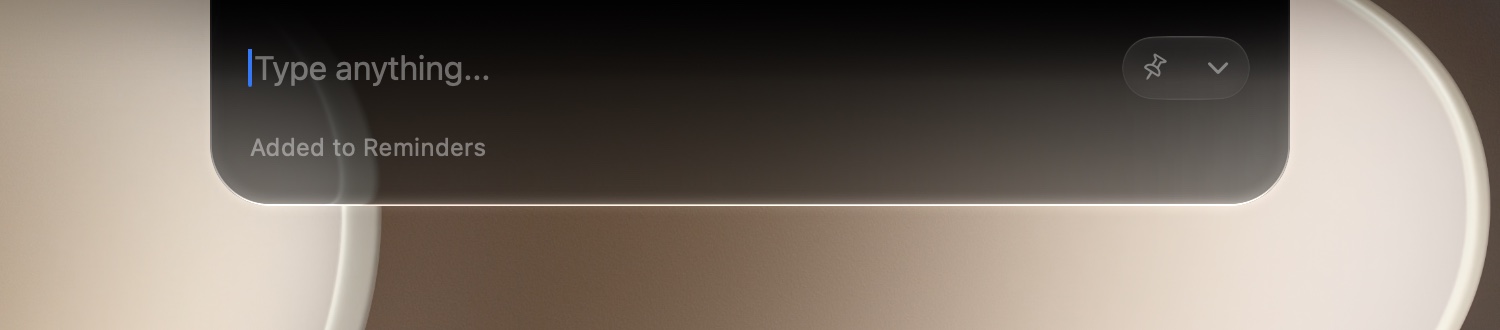
A line like “call mum tomorrow 9am” lands straight in Reminders; thoughts land in Notes.

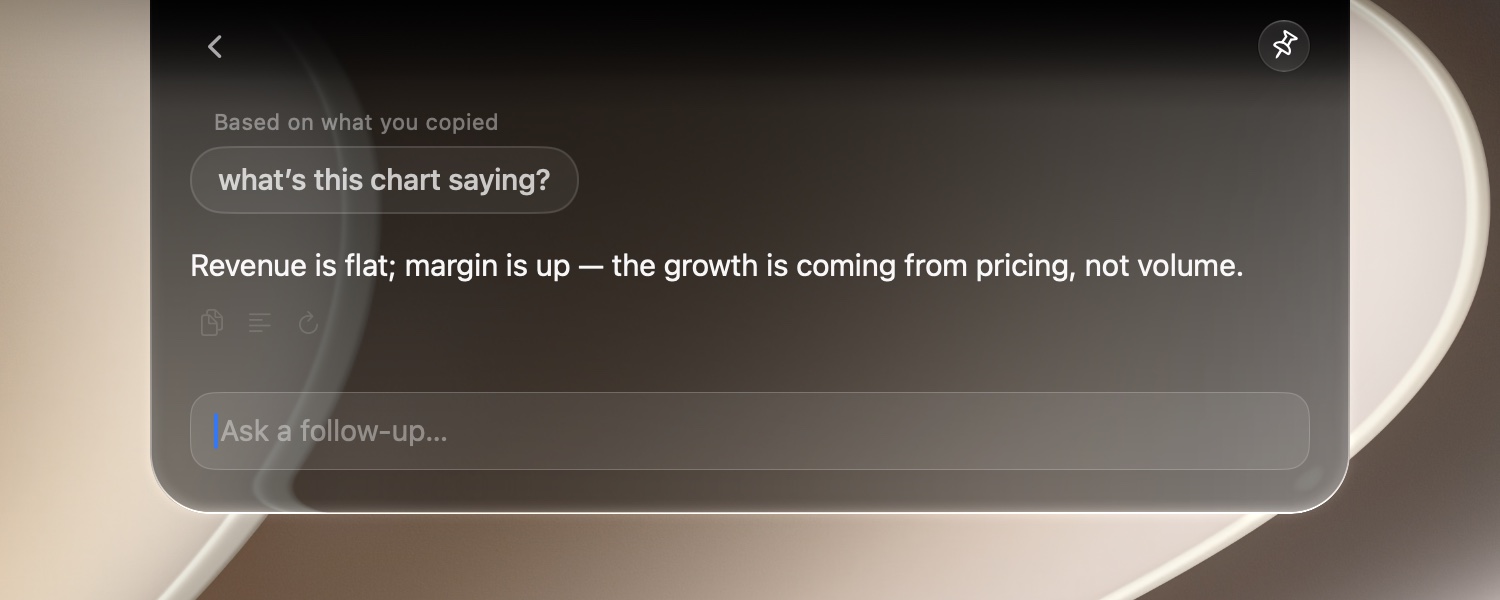
Web answers with sources, questions about what you copied, exact math.
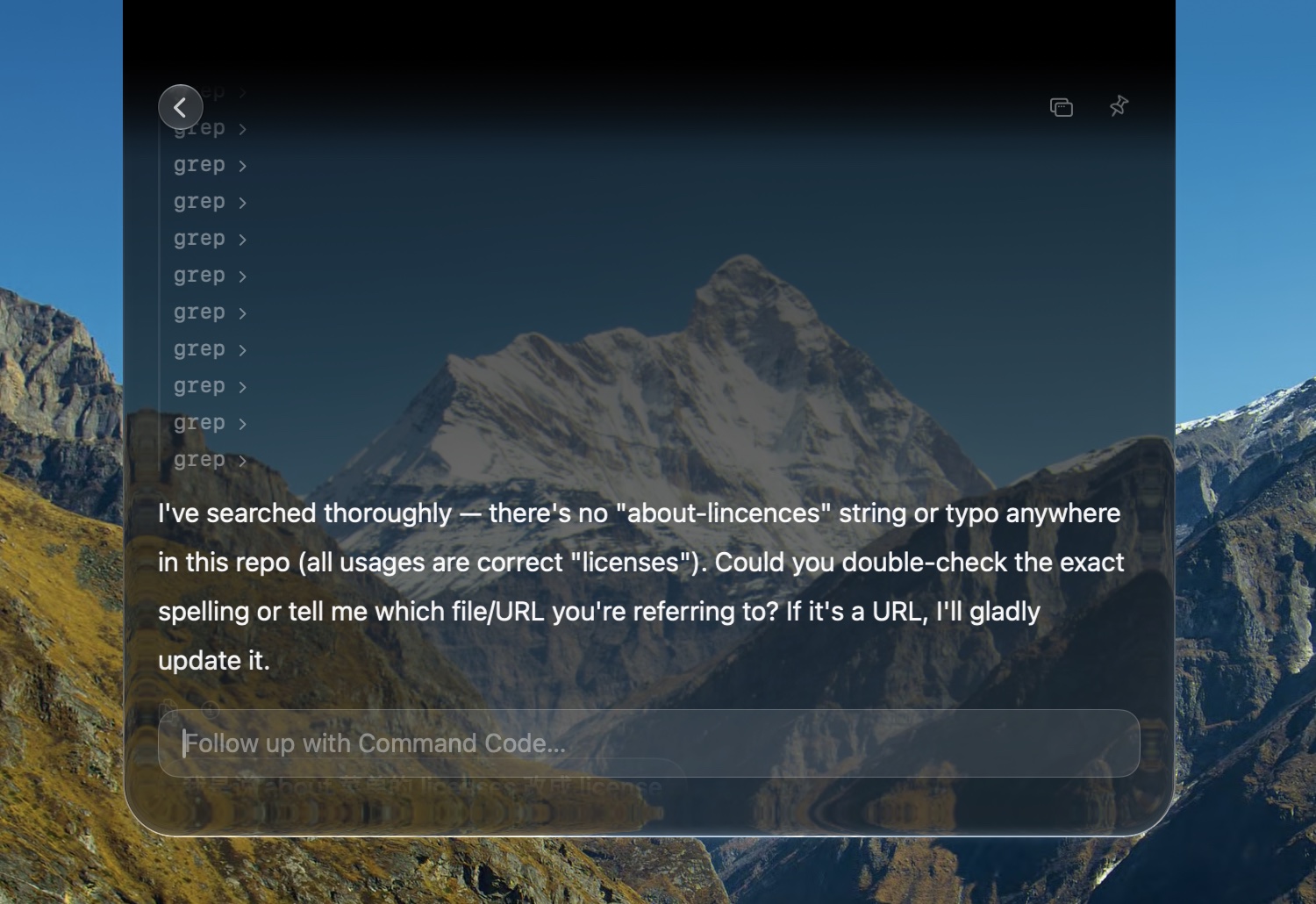
Point it at a project folder and watch the run from the closed notch — on your own Codex, Claude Code, Grok or Command Code CLI.

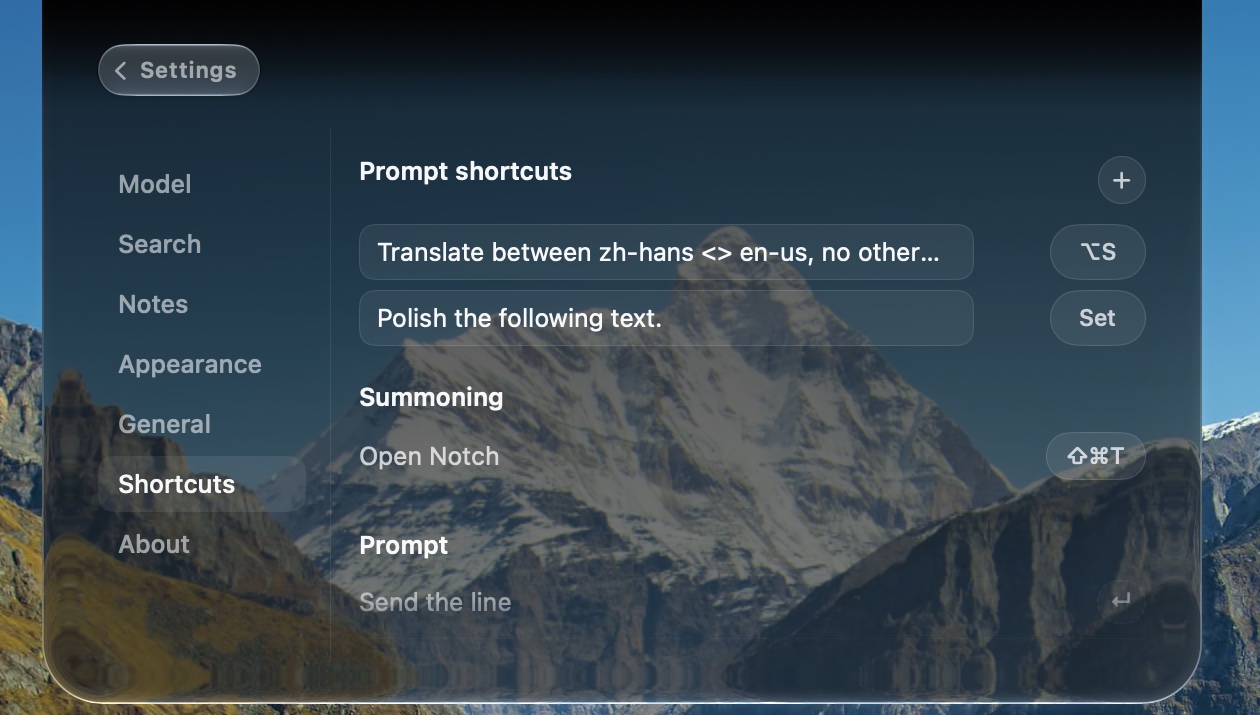
Write an instruction once, give it a chord, and it runs on the text selected in any app — the notch never has to open.
Notchi is a beautifully simple way to save a note, set a reminder, ask AI, or run a coding agent — right from your Mac's notch.
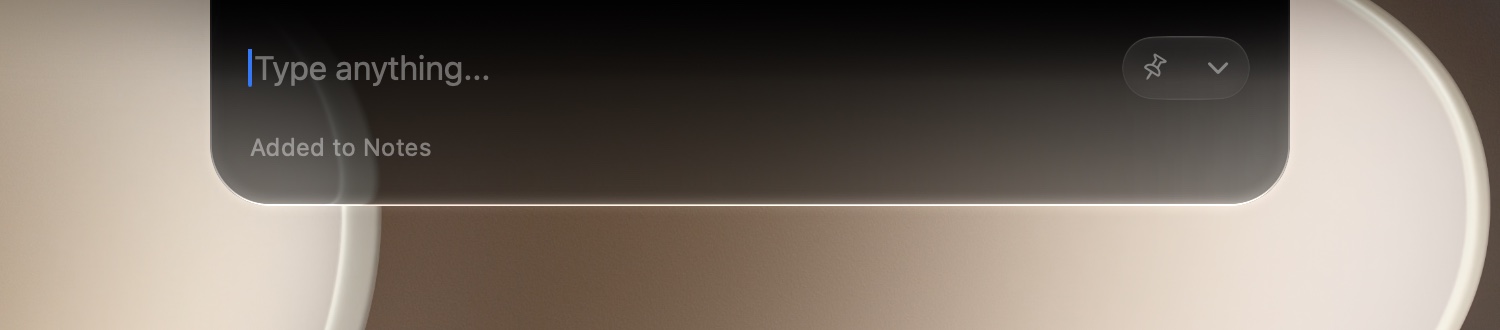
Type the thought the way it arrived — half-formed is fine. Notchi reads it and routes it: a question to AI, a note to keep, or a reminder with a time.
Questions can pull in the live web, see the screenshot you just copied, and run real arithmetic. Even copying can file things away — no typing at all.
Point it at a project folder and describe the job. Notchi runs it in the background on your own Codex, Claude Code, Grok or Command Code CLI — the closed notch shows the live step and elapsed time, and a notification lands when it's done.
Write an instruction once — translate this, tighten this — give it a chord, and it runs on whatever text you have selected, in whatever app you're in. The summon chord and every panel action live in the same place, all rebindable.
Notchi is drawn in the same Liquid Glass material as the rest of macOS — same blur, same edge light, same spring — so it feels like part of the system, not something stuck on top.
Sorting happens on your Mac. Then your question goes to the provider you picked, signed with your own key — or start free with OpenRouter's one-click connect. No key at all works too: chat straight through a Codex, Claude Code, Grok or Command Code CLI you're already signed in to.
Nothing to sign up for. Install it and start typing.
Questions go straight to your provider — nothing passes through our servers.
Every line is public on GitHub.
One small app, drawn in the system's own Liquid Glass.